
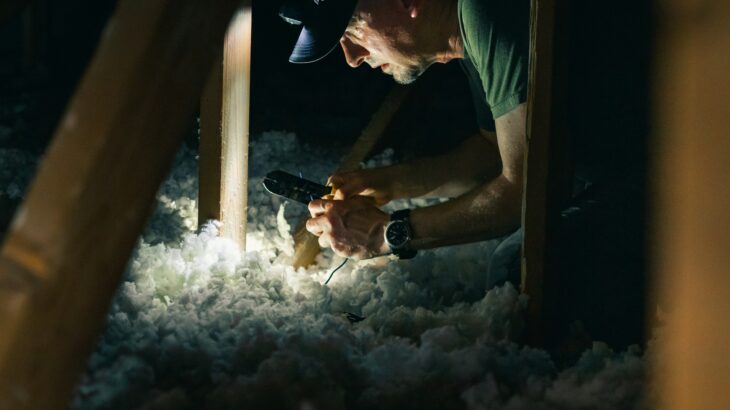
Winter often brings a sharp increase in energy bills as households work to keep interiors warm. While professional insulation is the most effective long-term solution, many simple do-it-yourself tricks can make a noticeable difference. By reducing heat loss and sealing gaps, you can improve comfort, cut costs, and make your home energy efficient. These DIY insulation hacks are easy to apply and require only a small investment in time and materials.
Seal Drafts Around Windows and Doors
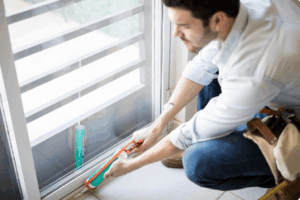 One of the main sources of heat loss is air leaking through gaps around windows and doors. Using weatherstripping or self-adhesive foam tape is a quick way to close these spaces. Draft stoppers or even rolled-up towels placed at the base of doors can block cold air from seeping inside. By sealing these weak points, you create a tighter barrier that helps maintain warmth throughout your home.
Use Thick Curtains for Extra Insulation
Windows are natural cold spots, even with double glazing. Hanging heavy or thermal-backed curtains helps trap heat inside while keeping chilly air at bay. Closing curtains at night provides an added layer of insulation, while opening them during the day allows sunlight to warm and illuminate the room. This simple habit can improve comfort without adding to your heating costs.
Insulate the Floors
Cold floors are a common issue in winter, especially in older homes. Placing rugs or carpets over exposed flooring adds an insulating layer that reduces heat loss and keeps your feet warmer. For a quick fix, foam underlay or even layers of old blankets beneath rugs can serve as an affordable barrier against the cold. It not only makes rooms feel cozier but also cuts down on overall energy use.
Cover Unused Fireplaces and Chimneys
An open chimney can act like a funnel, drawing warm air out of your home. If you are not using the fireplace, block the opening with a chimney balloon or tightly fitted insulation board. This prevents drafts and ensures the warmth you generate stays inside. Just remember to remove the cover before lighting a fire again.
Add Insulation to Attics and Walls
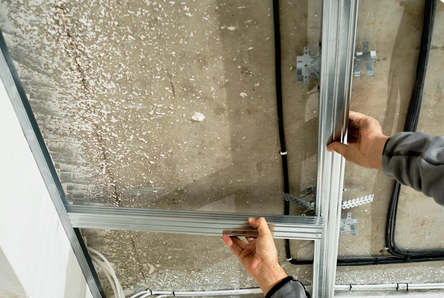
Heat naturally rises, which makes the attic one of the most important places to insulate. Even a thin layer of added insulation can make a significant difference. For a low-cost option, you can use rolls of mineral wool or foam board cut to fit between beams. Similarly, if wall cavities are accessible, filling them with DIY insulation materials helps reduce heat loss across large surfaces.
Bubble Wrap for Windows
For homeowners on a tight budget, bubble wrap can serve as a temporary window insulator. The idea is to spray a little water on the glass and press the wrap against it, bubble-side facing the window. It creates an extra thermal layer while still allowing light to pass through. Though not the most stylish solution, it is highly effective and easy to remove once spring arrives.
Staying warm in winter does not always require expensive renovations. Simple DIY insulation hacks like sealing drafts, using thick curtains, covering unused chimneys, and insulating attics or floors can drastically reduce heat loss and keep your home comfortable. Even low-cost tricks, such as bubble wrap on windows, offer noticeable benefits. By applying these small changes, you not only stay warm but also lower your energy bills, making your home more efficient and eco-friendlier throughout the cold season.